
Martyn’s Law – officially called the Terrorism (Protection of Premises) Act 2025 – was passed in April 2025 to improve protective security and preparation by requiring public venues and events to implement measures against terrorism.
The Act will not come into force for around 24 months after it was passed, to give businesses plenty of time to plan and prepare.
What Martyn’s Law means for public premises and venues
The introduction of Martyn’s Law means that public premises and events venues that have a capacity of more than 200 people will need to have clear plans to protect the general public in the event of an attack. Prior to this, there was no legal obligation to have set safety measures in public spaces, leaving them vulnerable to attacks.
The Law means that anyone who is responsible for venues and events will need to implement appropriate public protection measures that can reduce the risk of harm if attacks occur nearby. The Standard Tier, for venues with a capacity of 200-799, primarily focuses on strengthening staff training and procedures, such as evacuation and lockdowns.
Businesses with a capacity of 800+ will also need this, but there is an additional requirement for a thorough risk assessment of the premises, a security plan, and potentially physical improvements to the property to further reduce harm and damage in the event of a terrorist attack.
Both Standard and Enhanced premises require venues to nominate a responsible person, who must notify the Security Industry Authority (SIA) of their details and the details of the premises.
Which premises are most likely to be reviewing physical security measures
Under Martyn’s Law, any public venue with a capacity of more than 200 people will need to review and implement anti-terrorism safety measures. There are two tiers: Standard and Enhanced, and depending on which your building falls under, your obligations will be slightly different.
According to the Home Office, premises that satisfy the following four criteria fall within scope of the Act:
- There is at least one building (or the premises are in a building);
- The premises are wholly or mainly used for one or more of the uses specified at Schedule 1 to the Act, e.g. a restaurant or a shop;
- It is reasonable to expect that at least 200 individuals may be present at least occasionally; and
- The premises are not excluded under Schedule 2 to the Act
If 800 or more individuals may be expected, the premises will be an enhanced duty premise, and will therefore need to follow stricter measures. However, there are exemptions, as not all buildings are covered under the new regulations, so make sure to check if your premises are exempt.
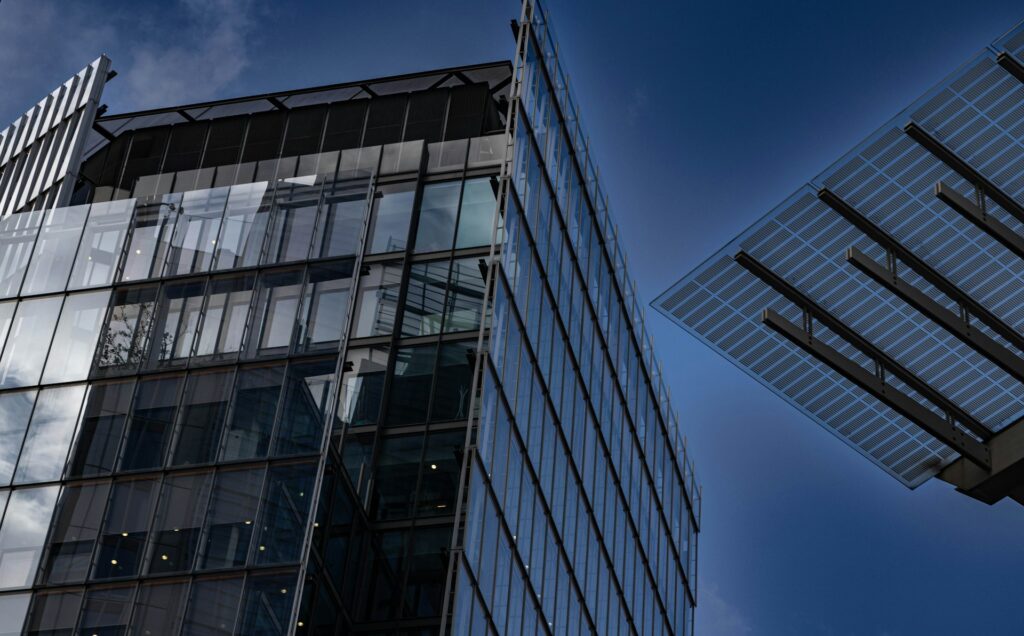
Why glazing is a physical security vulnerability
In the majority of buildings, the glazing is the weakest point of a building, making it more vulnerable to bomb blasts, attacks and break-ins. Glass – especially tempered glass or standard annealed glass – is fragile, shattering easily in the event of an attack. Once a glass window has broken, the shards of glass can be quickly cleared from the frame, making it easy for intruders to gain access to a building.
In the event of a bomb blast or terrorist attack, windows are considered one of the most dangerous elements of a building. The force of an explosion can cause windows to shatter into high-velocity shards, which can cause a significant amount of damage – in fact, up to 85% of injuries from an explosion are caused by flying glass.
Because of this, strengthening the glazing in your property should be a top priority to ensure that it’s safer for occupants and visitors.
How blast protection window film and flexible anchoring systems help reduce risk
Bomb blast protection window film is designed to withstand significant impact in the event of an attack, keeping the shards of glass safely in the window frame. Window film can also deter potential intruders, as it can withstand a certain amount of repeated impact without creating gaps in the window for them to enter.
Around the world, the risk of a terrorist attack is at a critical level, so businesses increasingly need to think about the safety of their staff and visitors in the event of an explosion. Whilst it’s impossible to eradicate the possibility of an attack, bomb blast window film will improve the overall safety and security of your building, particularly when used in conjunction with an anchoring system. An anchoring system is a unique glass containment system that further strengthens a window, helping to hold glass in place and preventing intruders from gaining easy access into the premises.
Where bomb blast films can be used
Bomb blast films are more commonly used on buildings that need extra security, such as government buildings or major transport hubs. However, with the new law, bomb blast films and anchoring systems are a straightforward way of upgrading the security of any building that accommodates more than 200 people.
This includes properties such as:
- Entertainment and leisure venues
- Public services
- Retail and food outlets
- Sports grounds
- Places of worship
Why early review matters before the law comes into force
Early preparation for Martyn’s Law is key to making sure that your business is fully prepared when it comes into force. You will need to determine which tier your premises falls under – either Standard or Enhanced – to properly plan for the changes that you will need to make.
As well as making sure that existing safety procedures are strengthened and staff are fully trained for emergency situations, you should leave plenty of time to plan and implement extra safety measures. Assessing your building needs and level of risk now means that you have plenty of time to prepare for the upgraded safety measures, which is especially important if you have multiple properties that will need to be looked at.
Fines and penalties of up to £10,000 for Standard Tier and higher fines for Enhanced Tier properties will be issued for non-compliance, so you should start taking proactive steps as soon as possible to make sure that your business complies with the law.
Speak to OVAGLAS about assessing glazing risk in your building
As part of your practical preparation for Martyn’s Law, reviewing the glazing risk in your building can be an excellent precautionary measure. To find out more about how window film can add extra security to your commercial property, get in touch with the OVAGLAS team.
Martyn’s Law FAQs
Is Martyn’s Law in force yet?
Although Martyn’s Law received Royal Assent on Thursday 3 April 2025, it hasn’t come into force just yet. Businesses have at least 24 months from this date to prepare for the new regulations.
Which premises fall into standard and enhanced tier?
Business premises or event venues with a capacity of 200 – 799 fall under the standard tier, whilst those that are for 800 people and above fall under the enhanced tier, and so will be subject to additional regulations.
Do physical security measures apply to all premises?
Implementing physical security measures is not a legal requirement for businesses under the standard tier. However, businesses in that tier may still consider upgrading their building’s security for added protection.
Can blast protection glazing help reduce injury risk?
Yes, blast protection glazing can help to reduce injury risk. Injuries as a result of flying glass shards are extremely common in the event of a bomb blast or terrorist attack, and safety glass film can help to minimise this by keeping glass in place.
.svg)


